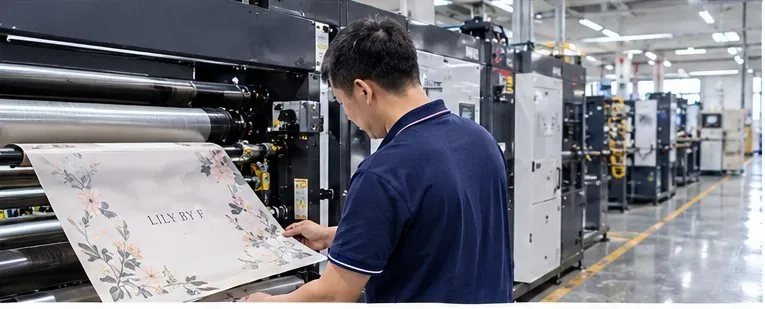
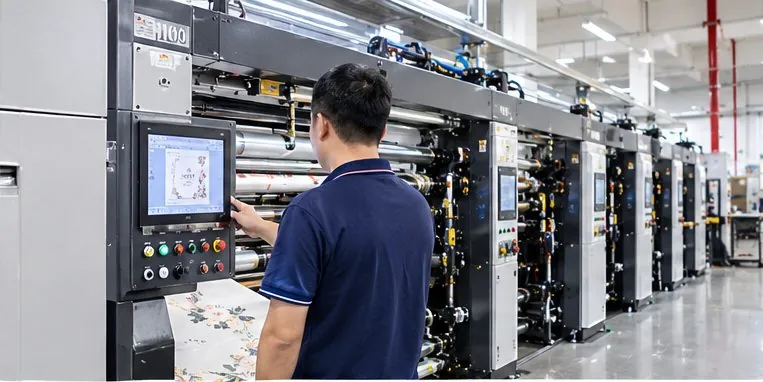
Kraft — natural look, strong, cheapest, prints flat colours well and photographs badly. Art paper — smooth and coated, reproduces photography, needs a film or varnish to survive handling. Coated / laminated — art paper plus a film, best print protection and colour depth, highest cost and the hardest to recycle.
Pick by asking three questions in order: is your artwork photographic, does the bag have to survive moisture and handling, and what does the material itself say about your brand. Price comes last.
1. First, the words — "coated" means two different things
Most confusion in this category comes from vocabulary, not from paper.
- Coated paper (art paper) — paper with a clay-based coating applied at the mill to make the surface smooth. This is what lets it hold fine print dots. Art paper is coated paper.
- Coated in the finishing sense — a film or varnish applied after printing, at the bag factory. Matte lamination, gloss lamination, soft-touch film and water-based varnish all fall here.
So "coated bag" can mean art paper with no film at all, or kraft with a plastic film on it. When you request a quote, say which one you mean — or ask the supplier to specify, because the two behave very differently.
2. Kraft
Kraft is wood pulp produced by a process that keeps the long fibres intact, which is why it tears less readily than its weight suggests. Natural kraft is unbleached and brown; bleached kraft is white or cream.
- For bags: 100–150 gsm for light retail and takeaway, 150–200 gsm for everyday shopping, up to 250 gsm for heavier loads.
- Printing: the surface drinks ink, so dots spread. One or two solid spot colours and line or text artwork look excellent and have a natural, honest feel. Four-colour photographs come out dull and slightly dark.
- Strength: high tear resistance; a 150 gsm kraft bag often outlasts a heavier coated bag because the fibres stretch rather than snap.
- Water: poor. A damp hand or a rainy walk marks it immediately. There are water-based barrier coatings that help without turning the bag into a mixed material.
- Recycling: widely accepted where paper is collected, especially unbleached kraft with water-based ink.
- Cost: the lowest of the three families, at similar weights.
Where it wins: food and takeaway, farmers markets, cosmetics and coffee brands going for an unbleached look, and any programme where the bag is a functional object rather than a marketing surface.
3. Art paper
Art paper (also sold as coated art card or 铜版纸 in Chinese) is coated on one or both sides so the surface is closed and smooth. It takes offset CMYK beautifully — fine type, gradients and photographs all hold.
- For bags: 128–250 gsm; 157 gsm and 200 gsm are the workhorses for retail shopping bags.
- Printing: the best of the three for offset photographic work, and the only realistic choice if your artwork has skin tones, food photography or a full-bleed lifestyle image.
- Strength: good but less tear-resistant than kraft at the same weight; folds crease sharply and permanently.
- Surface without film: uncoated on the outside, art paper scuffs. A printed art paper bag with no protection will show white rub marks at the corners after a week of handling.
- Recycling: coated paper is recyclable in most paper streams. Ink coverage matters more than the coating itself.
- Cost: mid-range — above kraft, below laminated.
Where it wins: fashion and beauty retail, brand launches, anything where a photographic image or a precise brand colour is the point.
4. Coated and laminated
This is art paper plus a film, or kraft plus a film: matte lamination, gloss lamination, soft-touch film, or a water-based varnish as a lighter option.
- Print protection: film resists scuffing, light moisture and fingerprint marks — the reason premium retail bags almost always use it.
- Colour depth: matte film deepens dark colours; gloss lifts contrast; soft-touch film gives a velvet hand that reads as expensive. Foil and spot UV work best on top of a film.
- Weight: adds a little stiffness, which makes a 157 gsm bag feel like 200 gsm.
- Recycling: the weak point. Plastic film on paper is a mixed material, and many municipal systems will not separate it. If a recyclable bag is a stated brand promise, use a water-based coating instead of film, and confirm what your market's collection actually accepts rather than relying on the word "recyclable".
- Cost: highest — the film and its extra pass are a separate line in the quote.
Where it wins: luxury retail, gift with purchase, wine and spirits, jewellery, anything photographed for a campaign in a customer's hands.
5. Black card, textured and specialty
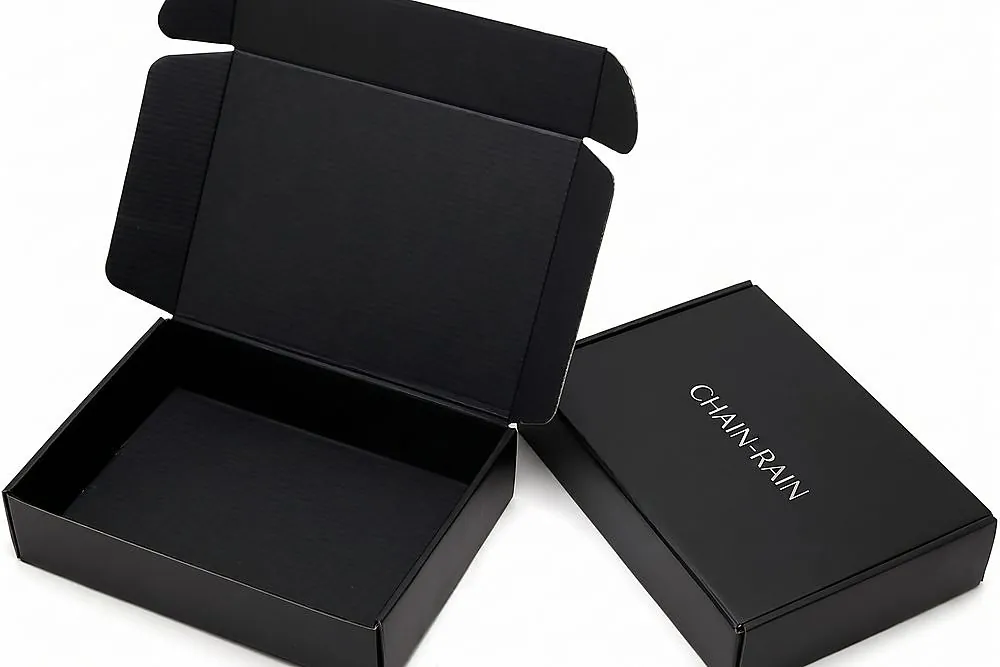
Beyond the big three: black card for a stark monochrome look (it shows scuffs mercilessly, so it is nearly always laminated), textured and felt-finish stocks for tactility, and coloured through-dyed papers where the core should match the surface. These are premium options with longer lead times and higher minimums, usually justified only when the bag is part of the product experience.
6. Side by side
| Kraft | Art paper | Coated / laminated | |
|---|---|---|---|
| Photo printing | Poor | Excellent | Excellent |
| Spot colour & line art | Excellent | Very good | Very good |
| Tear strength | Highest | Moderate | Moderate |
| Scuff resistance | Good | Poor without film | Excellent |
| Moisture resistance | Poor | Poor | Good |
| Recyclability | Best | Good | Depends on film |
| Relative cost | Lowest | Middle | Highest |
| Typical use | Food, markets, eco positioning | Retail, launches | Luxury, gifting |
Paper grade is the single largest line in a bag's price, so the choice you make here decides most of the quotation. See Custom Packaging Cost Breakdown for how each grade's share changes with quantity.
7. Three questions that decide it
Is your artwork photographic or flat?
Photographic — art paper, with film if the bag will be handled a lot. Flat colours, type or a single logo — kraft is better looking and cheaper, and the texture does half the design work.
Does the bag need to survive handling?
A bag that travels home in a handbag for ten minutes is different from one that carries 4 kg through a shopping centre and then gets reused for a month. The longer the life, the more the film pays for itself.
What does the material say about your brand?
Unbleached kraft says honest, practical, low-waste. Matte laminated art paper says considered and premium. Gloss says promotional. None of these is wrong — but the bag and the product should tell the same story, or customers notice the mismatch before they notice the design.
Frequently asked
Can you print a full-colour photo on kraft paper?
Not convincingly. Uncoated kraft absorbs ink, so dots spread and colours shift dull and dark; photographs come out muddy. Kraft is at its best with one or two solid spot colours and line artwork. If you need photographic reproduction, print on coated art paper instead.
Is laminated paper still recyclable?
It depends on the film and on your local collection system. A plastic film laminated to paper is a mixed material, and many municipal streams will not separate it, so the bag usually ends up in general waste. Water-based coatings and uncoated or lightly coated papers are more widely accepted. If recyclability is a brand promise, ask for a mono-material construction and check what your market actually accepts.
What paper weight should a shopping bag be?
For light retail bags, 100 to 150 gsm is normal; for everyday boutique use, 150 to 200 gsm; for luxury or heavy items, 210 to 250 gsm, often with a reinforced base board. Above 250 gsm the paper becomes stiff and creases badly at the folds, so heavier is not automatically better.